Houston Big Rig Crashes: Why Early Legal Action Matters

A wreck with a truck is never “just a wreck”
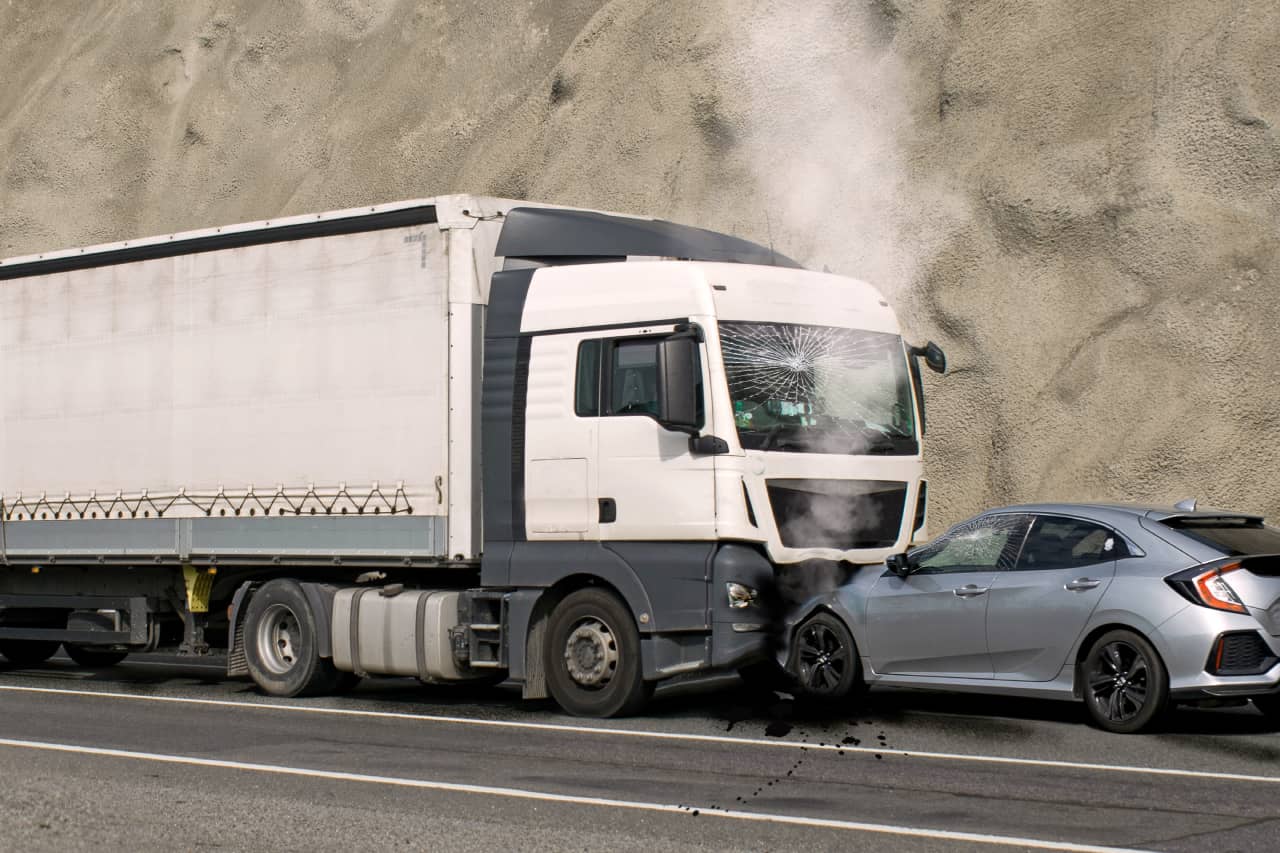
A crash with an 18-wheeler changes the whole picture. A small car bends. A truck barely moves. That size gap matters in every way—injury, proof, cost, and blame. In Houston, heavy truck traffic is part of daily life. Trucks move through I-10, I-45, Highway 59, and the Beltway all day. One bad lane change, one missed brake check, one tired driver, and everything shifts in seconds. The hard part starts after the crash. People often think the facts will stay there waiting. They don’t. Tire marks fade. Camera clips get erased. Drivers move on. Logs get updated. Tow crews clear the road before most families even make the first phone call. That is why early legal practice action matters so much.
The first few days matter more than most people think
The hours after a truck crash can feel blurry. Hospital visits, calls from insurance, family stress—it all hits at once. Still, those first days often shape the full case.
A trucking claim is not like a normal car claim. There may be:
- The truck driver
- The trucking company
- A cargo company
- A repair contractor
- A parts maker
Sometimes more than one group shares fault. That means proof must be gathered before records shift or disappear. A legal team can send letters that require key records to stay untouched. That includes driver logs, GPS data, black box records, repair files, and phone records. Without that step, useful proof can vanish quietly. And yes, it happens more than people expect.
Why trucking firms start working right away
Here’s the thing—trucking firms usually act fast. They may send investigators within hours. Their goal is simple: control the story early. That sounds harsh, but it is business. Photos get taken. Statements get collected. Reports get reviewed before injured people even leave urgent care. So while someone is trying to deal with pain, paperwork is already building on the other side. That is why speaking with a Houston personal injury lawyer early often changes the balance. A firm like Schechter, Shaffer & Harris, LLP – Accident & Injury Attorneys understands how truck cases move in Houston because truck claims rarely stay simple for long.
Proof does not wait around
People imagine evidence as something permanent. It isn’t. Rain washes away road marks. Dashcam files overwrite themselves. Witnesses forget details. Even truck parts may get repaired fast. Brake systems, tires, lights, and trailer hooks can all tell part of the story. Once repairs happen, that story gets harder to read. A truck’s electronic data recorder can also show speed, brake timing, and steering input. That data matters a lot. It is like checking a plane before guessing why it landed badly—you want facts, not guesses.
Early treatment helps the legal side too
Medical care is not only about healing. It creates timing. If someone waits too long to see a doctor, insurance often asks the same question: if it hurt so much, why wait? That question comes up often, even when the person simply hoped pain would pass. Back pain, neck strain, and head injuries often grow worse after the first shock fades. So early treatment helps health first, but it also helps explain the full impact later. Small gaps create big arguments.
A calm call now can prevent bigger trouble later
A lot of people hesitate to call a lawyer because they think it feels too serious too soon. Oddly enough, early advice often keeps things calmer. It can stop rushed recorded statements. It can slow pressure from adjusters. It can explain what papers matter and what can wait. That does not mean filing a lawsuit on day one. Sometimes it means simply protecting the basics before mistakes stack up. And mistakes do stack up—especially when someone signs something too early.
Houston roads add their own problems
Houston truck crashes often involve heavy traffic patterns, sudden merges, and long freight routes. Drivers may already be tired before they hit city traffic. Then add rain. Add road work. Add late-night lane shifts. It becomes a chain of small risks that turns ugly fast. One missed mirror check from a truck driver can push a smaller car into a wall. The scary part? That one second can lead to months of bills.
Why timing changes case value
People usually ask one quiet question: does waiting reduce what a case is worth? Sometimes yes. If proof weakens, the claim weakens. If treatment gaps appear, the insurer notices. If fault gets framed early by the other side, fixing that later becomes harder. That does not mean every delayed case fails. It means early action usually gives clearer ground. Like saving receipts after storm damage—you may not need each one, but later you’re glad they exist.
A short note on stress nobody talks about
Truck crashes leave more than physical pain. People miss work. Sleep changes. Driving feels strange again. Even simple errands feel tense for a while. That part often gets ignored because it sounds less dramatic than scans or surgery, yet it matters in real life. A legal claim should reflect daily loss too, not just hospital numbers.
FAQs People Often Ask
- How soon should I talk to a lawyer after a Houston big rig crash?
As soon as possible. The first few days often decide what proof stays available. A lawyer can request records before they disappear and help you avoid early mistakes with insurers.
- Can truck black box data really help my case?
Yes, often a lot. That data may show speed, braking, engine use, and sudden movement before impact. It can support or challenge what each side says happened.
- What if the truck driver was not the only one at fault?
That happens often. A trucking company, cargo loader, repair crew, or even a parts maker may share blame. Truck cases usually involve more than one layer.
- Should I talk to the trucking company’s insurer myself?
You can, but be careful. Recorded calls may sound simple, yet wording matters. Short answers given too early sometimes get used later in ways people did not expect.
- Does early legal action always mean filing a lawsuit?
No. Many early legal steps happen before court is even discussed. The goal is usually to protect proof, review records, and understand the full claim first.
Final thought—because timing really does matter
A truck crash feels sudden, but the case after it moves in stages. Some stages come fast. The first one is simple: protect facts before they fade. That single move often shapes everything that follows.