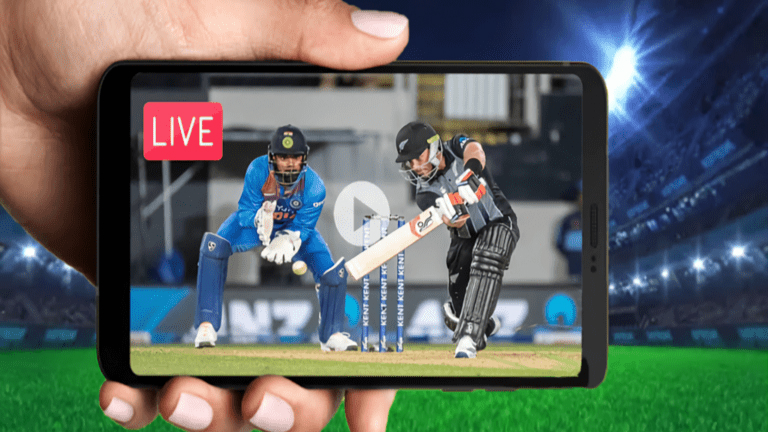
Live Cricket As A Desi Layer On Busy Phones

Many evenings on the phone follow the same pattern – open a government service portal, upload documents, check one more status, then sneak a look at the scorecard. Live cricket runs beside bills, forms, and family chats instead of living in a separate world. When match tracking is treated as one more tool in this digital routine, it can stay light, predictable, and respectful of both time and data.
Where Live Cricket Fits In A Day Of Online Tasks
For many users, the same handset that handles applications, certificates, and payments also carries news apps, regional content, and live sports widgets. A person might refresh a service status page, scan a notification about a new document, and then glance at the latest over. With so many roles on one small screen, live cricket needs to behave like a calm dashboard, not a noisy arcade. That means clear layouts, low data use, and controls that do not interfere with serious tasks such as filling forms or uploading proofs on slow connections during office hours or late evenings.
On days when this mix gets intense, a focused desi game online that keeps scores, basic markets, and timelines in one place becomes easier to live with than scattered pop-ups. The page opens, shows fixtures, current states, and simple options in a format that feels familiar to users already comfortable with other structured portals. Because everything sits on a single, predictable view, the cricket layer feels like another panel in the digital toolkit rather than a separate universe. Decisions stay small – check the score, maybe act on a preplanned position, then close the tab and return to everyday online responsibilities without losing track of what matters most.
Building A Match Routine Around Real-World Commitments
Live cricket will always move faster than a normal workday or family schedule. A stable routine accepts that the game should bend around commitments, not the other way around. The simplest pattern sets a few fixed check-in points that match existing habits – for example, before starting evening paperwork, during a short tea break, and once after dinner. Scores and any planned actions belong only to those windows. Outside them, the phone returns to tasks such as reading instructions, uploading files, or planning the next day. This structure prevents notifications and in-play swings from spilling into every spare minute, so people can still complete important forms and household work with a clear head while the match runs quietly in the background.
A Three-Checkpoint Flow That Keeps Control
A light framework helps live cricket sit beside documents and errands without turning into constant distraction. It does not require special apps, just a bit of discipline and honest planning about how evenings usually unfold. First, a pre-match checkpoint covers line-ups, surface notes, and any pre-set positions. Second, a mid-innings checkpoint reviews whether conditions and score pace still match earlier expectations. Third, a final checkpoint appears after the result, focused on reviewing choices and updating personal notes rather than opening new markets. Around those three touchpoints, people can still pay bills, check official portals, and handle family calls. The match remains a structured layer, not a stream that pulls eyes away from each notification about real-world obligations.
Data, Battery, And Network Hygiene For Live Dashboards
The same device that handles uploads to official sites and video identity checks also powers every over update. That shared load means data and battery cannot be treated as endless. On patchy networks, it helps to keep live cricket pages in low-bandwidth modes that prioritize text and basic graphics over heavy animation. Autoplaying clips or constant refresh rates can wait for stable Wi-Fi at home. When mobile data is running, a longer refresh interval and text-first views reduce the chance that a match eats the same allowance needed for document downloads, banking, or navigation later in the day.
Battery planning matters too. Long evenings with mixed tasks often mean the charger is not always in reach. A live hub that allows quick visits, minimal background activity, and fast exit protects the battery for everything else – scanning QR codes, reading long instructions, or keeping one eye on transport apps. Small habits such as closing unused tabs, dimming brightness during late-night checks, and using one main live page instead of hopping across several sites all help the phone survive a full day. When the device stays ready, live cricket becomes a companion rather than the reason other online tasks fail at the worst moment.
Screens That Stay Readable When Eyes Are Tired
By the time the first ball is bowled, many users have already spent hours reading small text on government portals, payment pages, and chat threads. Live cricket should respect that reality. Clean typography, steady contrast, and simple icon sets keep key numbers legible even when eyes are tired. Score, overs, and basic context need to sit in a mid-screen band where the gaze naturally rests, with controls placed near natural thumb zones instead of hidden in corners. This layout reduces extra scanning, which is especially helpful when someone is also watching for messages from employers, family members, or service providers.
Notification behavior shapes comfort as much as layout. Match alerts work best when restricted to major events – innings changes, rain delays, or final results – rather than every boundary. This keeps phones from buzzing during serious work or sensitive online steps. Tone matters as well. Calm, factual wording helps people glance, understand, and move on. Over time, a combination of readable screens and disciplined alerts lets users trust that live cricket will tell them what matters without demanding attention at every ball, which keeps the device usable for long articles, forms, and conversations throughout the evening.
Match Days That Still Feel Like Your Day
The real measure of balance arrives the next morning. If someone remembers completed tasks, resolved applications, small family moments, and then the match outcome, the live-cricket routine is working. The game has stayed in a clear lane, framed by fixed check-ins, modest data use, and screens that respect tired eyes. There is no sense that overs erased hours meant for paperwork or rest. Instead, cricket feels like a controlled layer that added color to a busy digital day.
With that structure in place, the same phone can remain a hub for both responsibilities and entertainment. Service portals, payments, and planning apps keep their priority, while live cricket offers sharp, well-timed updates that fit between them. Users stay close to the sport without letting it reorder their entire schedule. Each match becomes one more thread in a larger story built around real-world progress, with the scoreboard acting as an extra line rather than the only line that defines how the day went.